 Stamp collecting is not just a hobby – it’s an engaging activity that combines history, art, psychology, and social interaction. So why do people devote their time, effort, and money to it? What motivates stamp collectors? Let’s highlight the main reasons:
1. Love for history and culture.
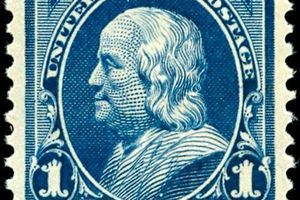
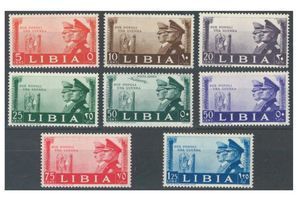
Each stamp is a small piece of history. It can tell stories of important events, notable individuals, cultural symbols, or natural wonders. Collectors study these stamps to expand their knowledge about the world.
2. Aesthetic pleasure.
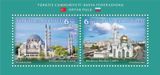
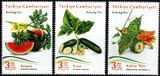
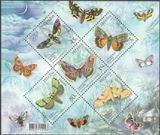
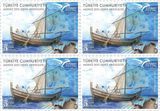
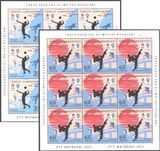
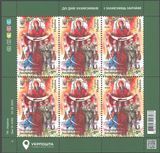
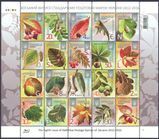
Many stamps are true works of art: vibrant colors, intricate engravings, and unique designs. For collectors, the process of selecting and arranging a collection brings visual and artistic satisfaction.
3. Psychological aspects.
Psychologists note that collecting satisfies a desire for organization and control. Sorting and organizing stamps provides a sense of structure and completeness.
Is there any practical benefit to collecting stamps? Stamp collecting contributes to intellectual development, reduces stress, strengthens social and family connections, brings personal satisfaction, and also holds investment potential:
1. Intellectual development.
Studying the history, origin, and meaning of stamps improves analytical thinking and memory. It’s a gateway to learning history, geography, art, and culture.
2. Stress reduction.
Organizing a collection has a therapeutic effect and helps lower anxiety.
3. Skill building.
It enhances focus, patience, and organizational abilities.
4. Social interaction.
Participating in clubs, exhibitions, and forums connects like-minded individuals.
5. Heritage and legacy.
Collections are often passed down through generations and become family heirlooms.
6. Investment potential.
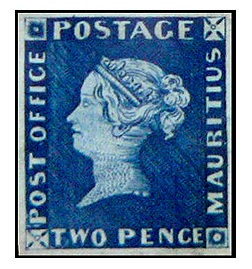
Rare and unique stamps can appreciate significantly in value over time.
7. Personal satisfaction.
For many collectors, the emotional fulfillment outweighs the financial aspect.
These factors make stamp collecting a global, widespread hobby. While the EU lacks official data, studies in the U.S. show that nearly 6 million philatelists spend around $1.2 billion annually on stamps.