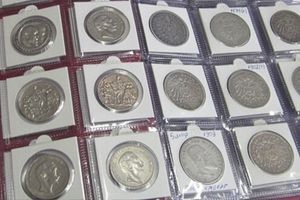
Stamp Mounts are special transparent sleeves used for storing and displaying postage stamps in illustrated albums or in albums designed for custom collection layouts. Stamp Mounts provide both protection for the collection and an aesthetically pleasing presentation. They are suitable for stamps of any size or shape, including souvenir and miniature sheets.
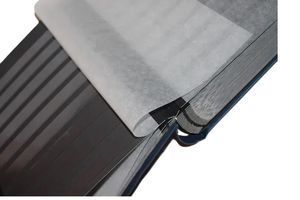
A Stamp Mount is a small transparent pocket or holder, typically made from inert plastic such as polyester or polypropylene. It is attached to or inserted into an album page, and the stamp is placed inside. The front side of the mount is fully transparent, while the back can be either black or transparent.
Black-backed mounts add contrast and clarity to a collection, emphasizing the shape and color of the stamp. Transparent mounts are better suited for pages with colored backgrounds or printed designs.
The back of a mount usually has a self-adhesive layer. It is affixed to the album page by lightly moistening the adhesive. Mounts without a self-adhesive backing can be attached using a glue stick.
There are two main types of mounts:
- Pre-cut (sealed) — already cut to standard stamp sizes and sealed on one edge.
- Strip (universal) — long strips that the collector cuts to the desired size. A special philatelic guillotine is often used for this purpose.
In addition to their visual appeal, stamp mounts serve several important practical functions:
- Protecting stamps from dust and moisture
- Shielding stamps from ultraviolet (UV) light
- Preventing damage from handling (oils, sweat, and dirt can harm stamps)
- Guarding against mechanical damage when turning album pages
- Preserving the original gum on mint (unused) stamps
Stamp Mounts are not just an accessory for enhancing the look of a stamp collection — they are an essential part of proper stamp care. They help maintain stamps in pristine condition and make a collection neat, presentable, and professional. Any serious stamps collector, especially one dealing with rare or valuable stamps, uses mounts as the standard method for protection and display.