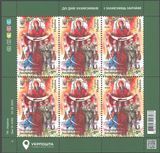
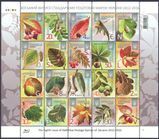
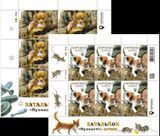
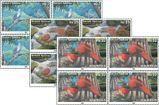
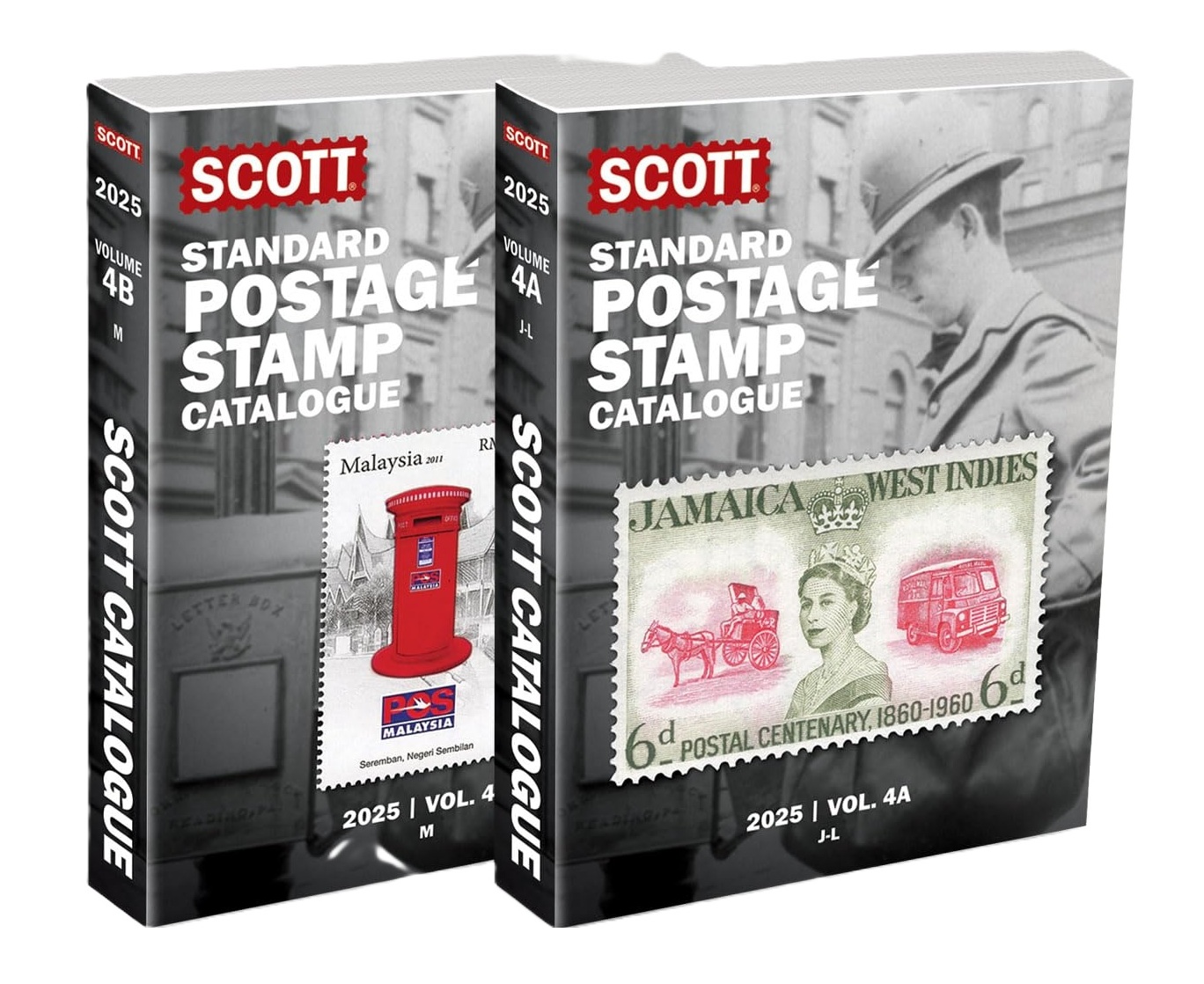
 The Scott Postage Stamp Catalogue is one of the most famous and respected reference books in the world of philately. It has long been an essential tool for collectors worldwide, especially in North America. This catalogue serves as a guide for evaluating, identifying, and organizing stamps, as well as a foundation for communication and trading among collectors.
The Scott Catalogue was founded in 1868 by American entrepreneur and philatelist John Walter Scott. At the time, philately was just beginning to emerge as a popular hobby, and the need for organized information about stamps became evident. Scott was the first in the U.S. to publish a catalogue that combined descriptions and approximate prices for postage issues from various countries.
Initially, the catalogue was a simple list, but over the years it expanded, improved, and added illustrations, market analysis, and technical details. Today, the Scott Standard Postage Stamp Catalogue is a multi-volume annual publication covering stamps from over 600 countries.
Why do philatelists around the world choose the Scott Catalogue? The Scott Catalogue serves several important functions:
Stamp identification – it helps to accurately identify stamps by image, country, denomination, color, perforation, and other features.
Organizing collections – a unique numbering system helps to structure albums and databases.
Valuation – the catalogue provides estimated market prices for each stamp (depending on condition: cancelled, mint, MNH, etc.).
Trading – collectors and dealers around the world use Scott as a standard for buying, selling, and exchanging stamps.
Reference information – Scott includes technical descriptions of issues, emission histories, and details about varieties.
Key Advantages: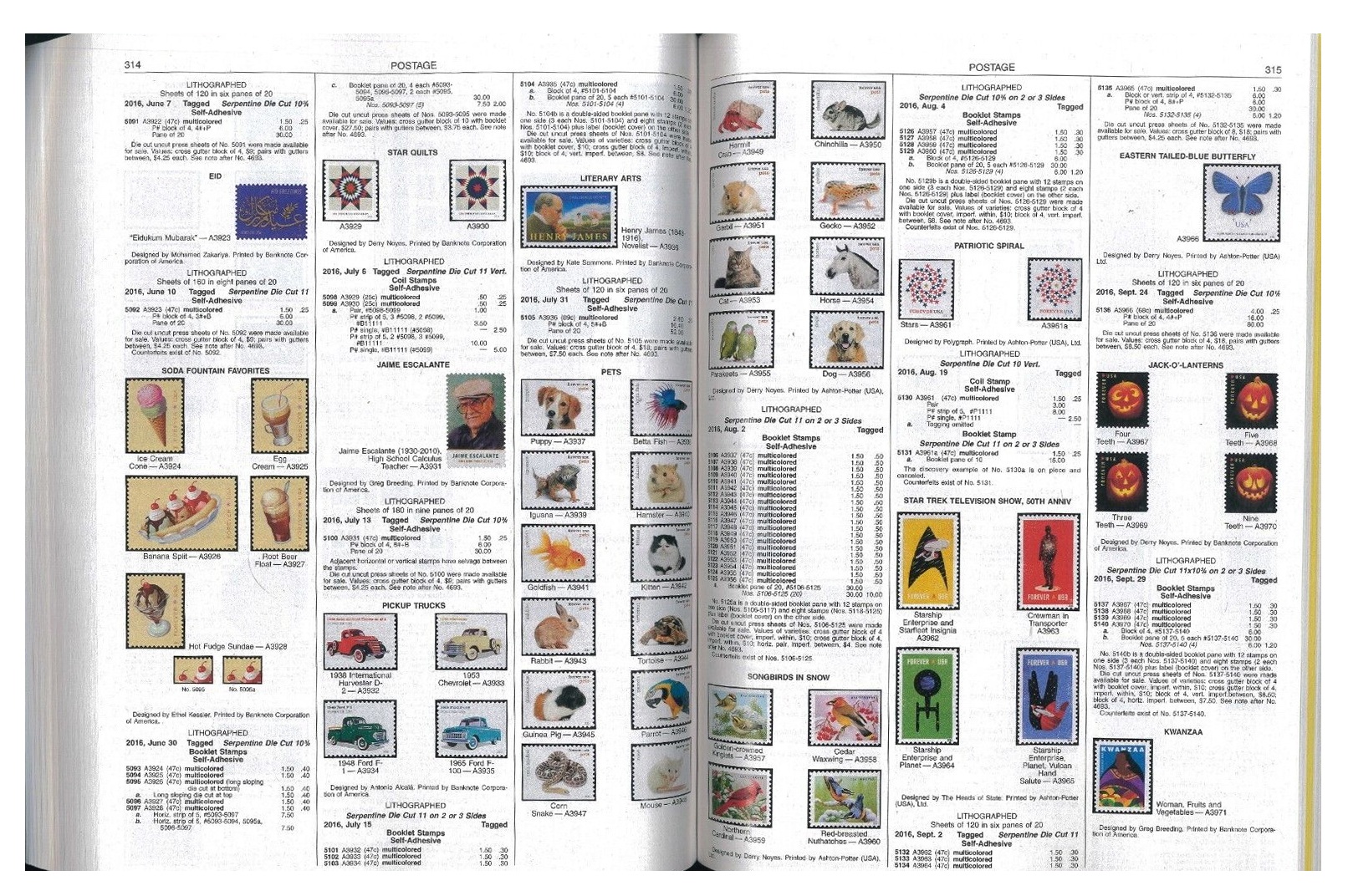
International recognition – used not only in the U.S. but in many other countries.
Comprehensive coverage – includes stamps from all countries and dependent territories.
Convenient numbering system – Scott’s unique numbers allow for easy classification.
Up-to-date – updated annually to reflect market changes.
Rich illustrations – most issues are illustrated in color, simplifying identification.
Disadvantages and Limitations:
Cost – the complete set of volumes is expensive (especially if updated annually).
U.S. focus – American stamps are given much more detail than stamps from other countries.
Language – the catalogue is entirely in English, which can be difficult for some collectors.
Sanctioned countries – stamps from countries under U.S. sanctions are not included.
Why collectors choose Scott?
The U.S. is the largest philatelic market, and its trends influence the global scene. The Scott Catalogue is the foundational reference for the U.S. market and, consequently, for global philately. Many albums, holders, checklists, and collector software tools are designed based on Scott numbering. This makes it a very convenient tool for managing a collection, especially one that includes American or international issues.
The Scott Catalogue is not just a reference book — it is one of the cornerstones of global philately. With over 150 years of history, its authority remains unquestioned. Despite some limitations, its advantages make it one of the best tools for collectors seeking order, precision, and complete information about their stamps. If you are serious about stamp collecting, getting acquainted with the Scott Catalogue is a crucial step in developing your collection.